
What to have in place before your website build begins, a guide for established businesses
This post is for founders who are about to commission a new website - or who are mid-build and starting to sense that something isn't quite right. Not founders building their first site on a tight budget. Founders who have already built something real and are ready to invest seriously in a website that reflects it.
The most expensive mistake in a website project is starting the build before the thinking is done. I've worked with founders who have spent significant sums on a website that didn't perform — not because the designer did poor work, but because the brief wasn't there. The positioning wasn't clear, the audience wasn't defined precisely enough, the copy was written to fill space rather than to convert. The build was technically proficient and commercially ineffective.
The preparation that prevents that outcome isn't complicated. But it has to happen before the build begins, not during it.
Before anything else: brand strategy
The most important thing to have in place before a website build is a brand strategy. Not a logo. Not a colour palette. Not a rough idea of what you want the site to look like. A clear answer to the questions the website needs to express.
Who is this site for - specifically enough that the right client recognises themselves within five seconds of landing on it?
What does this business offer - precisely enough that a cold visitor understands it without needing to read three pages?
What position does this business occupy in its market - specifically enough to be different from every competitor in the same space?
What does the business promise - and is that promise differentiated enough to matter and specific enough to be believed?
Without answers to these questions, the website brief is an aesthetic instruction rather than a strategic one. Make it look premium. Make it feel modern. Make it work better than the last one. None of those are briefs a designer can build a converting website from.
The Brand Authority Method™ runs brand strategy before every website build for exactly this reason. Strategy first, always. The website is the expression of the thinking, not the place where the thinking happens.
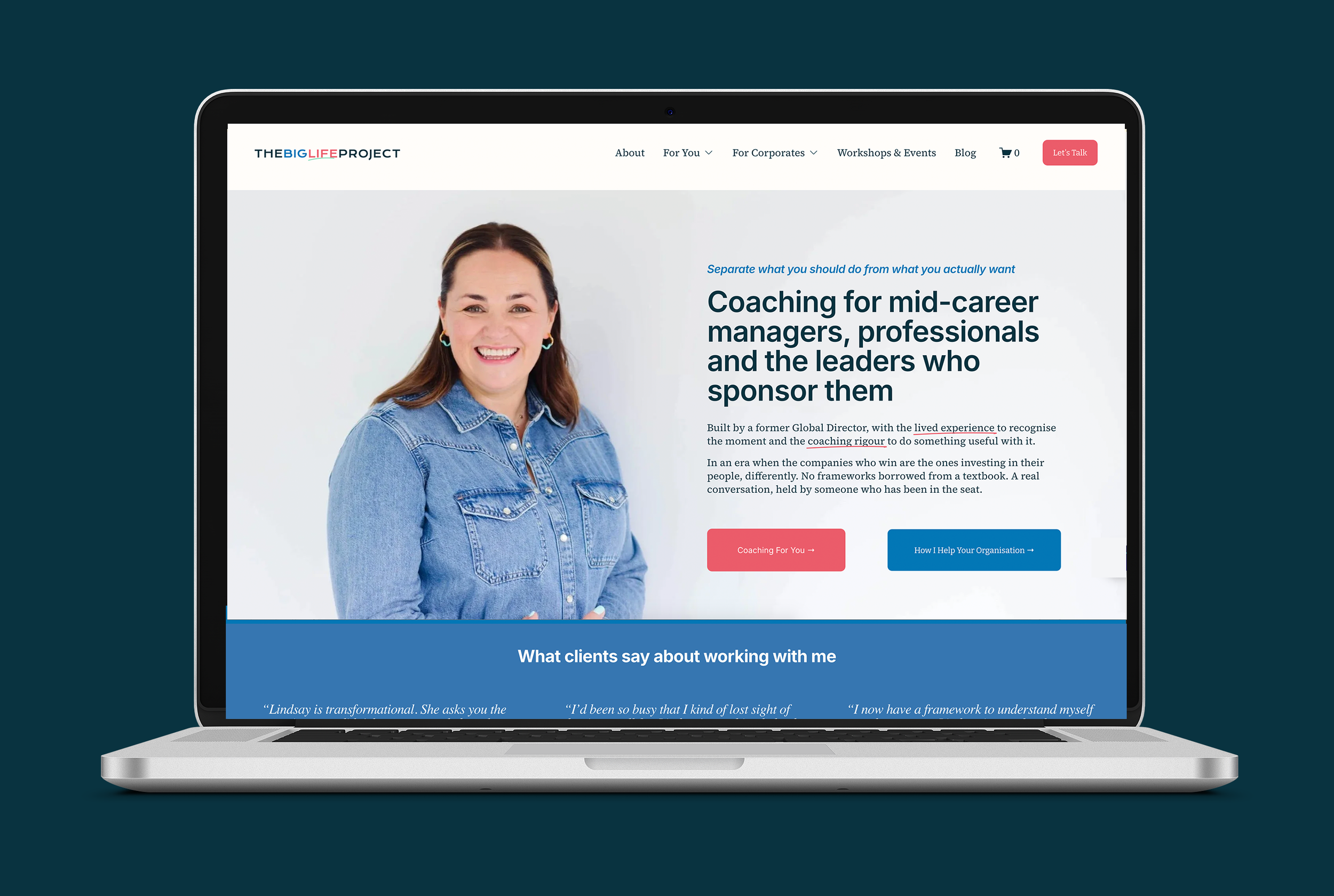
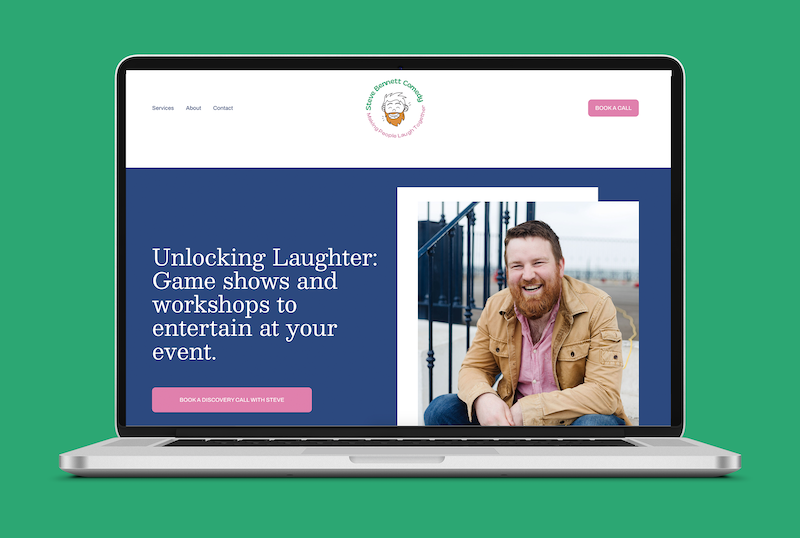
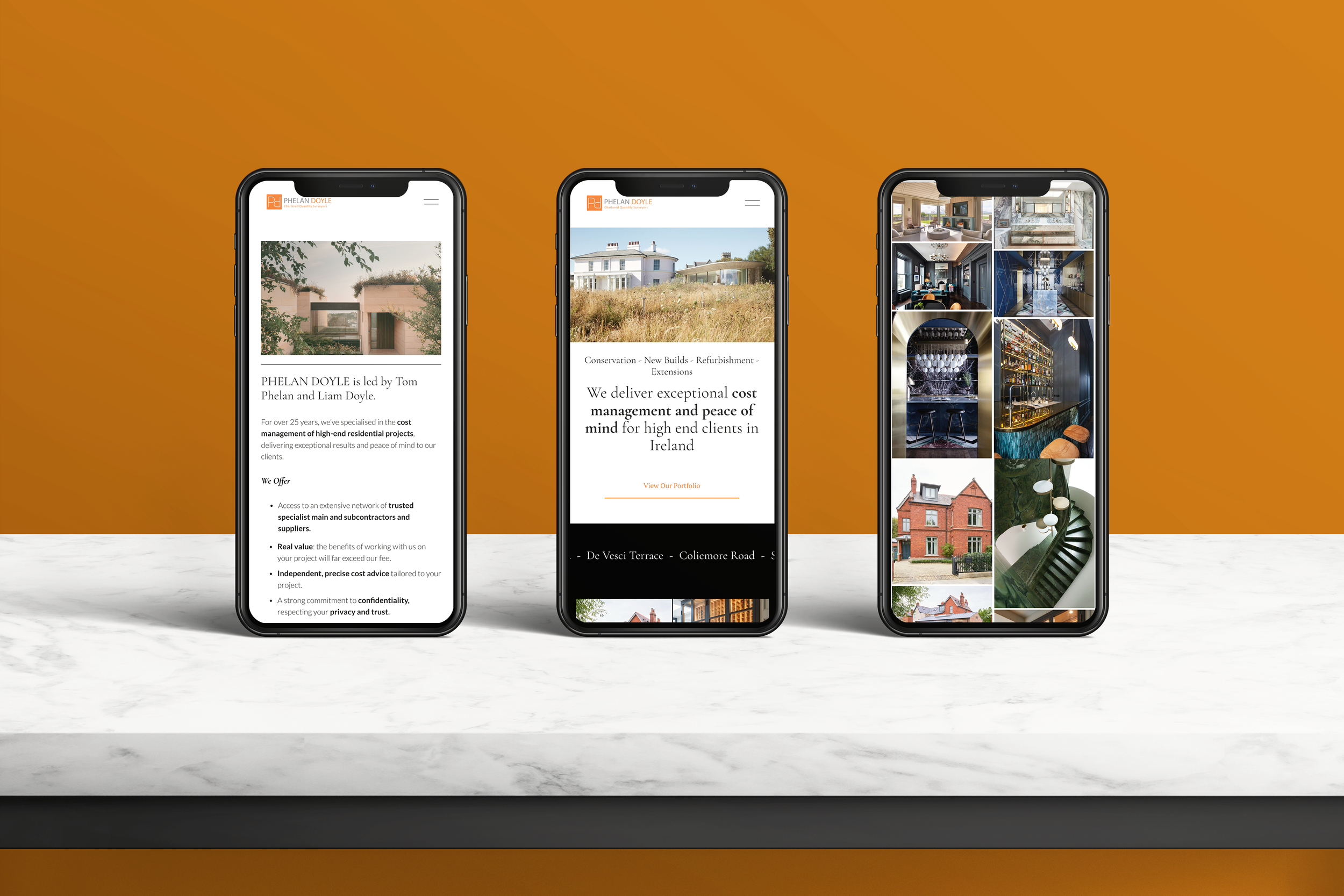
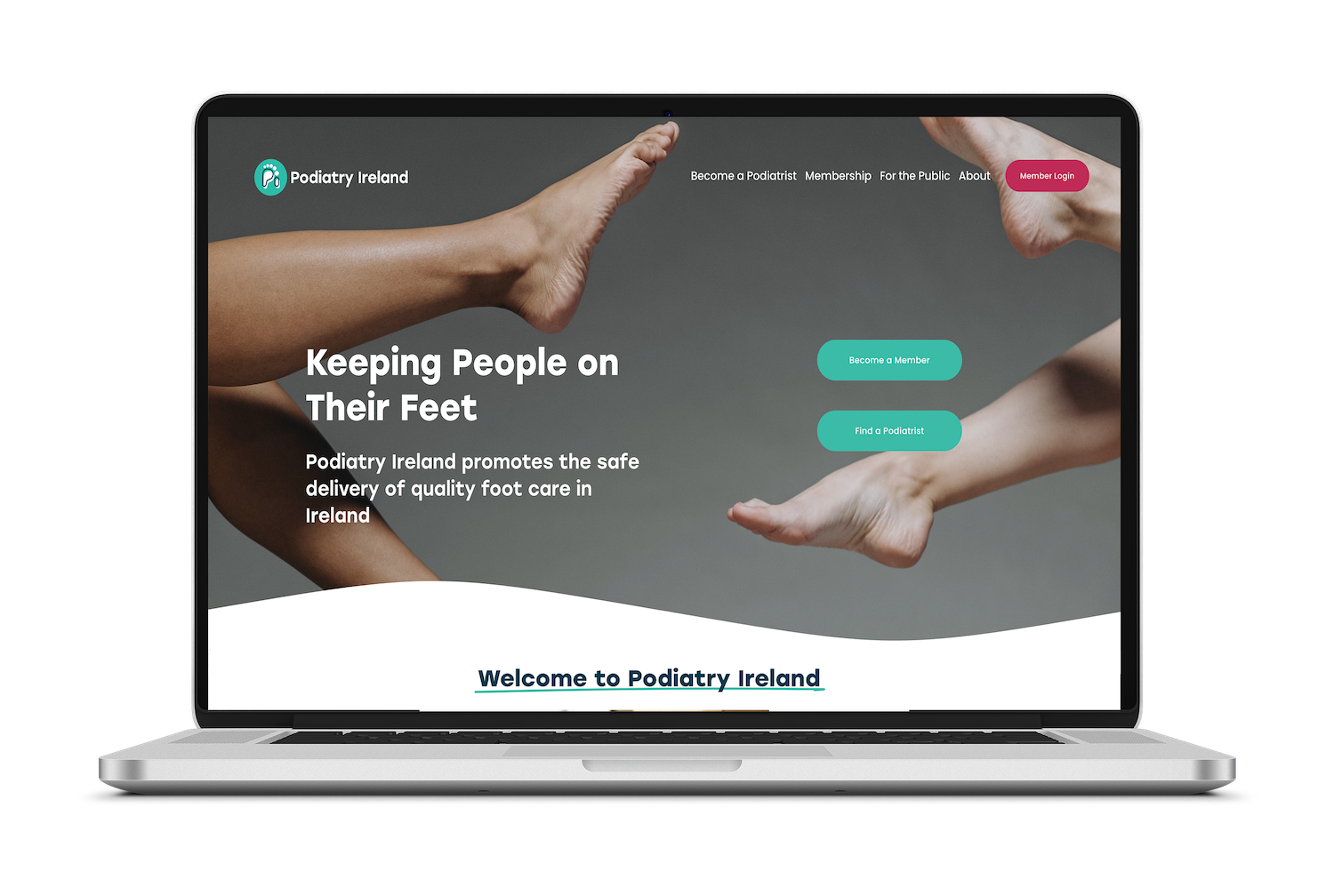
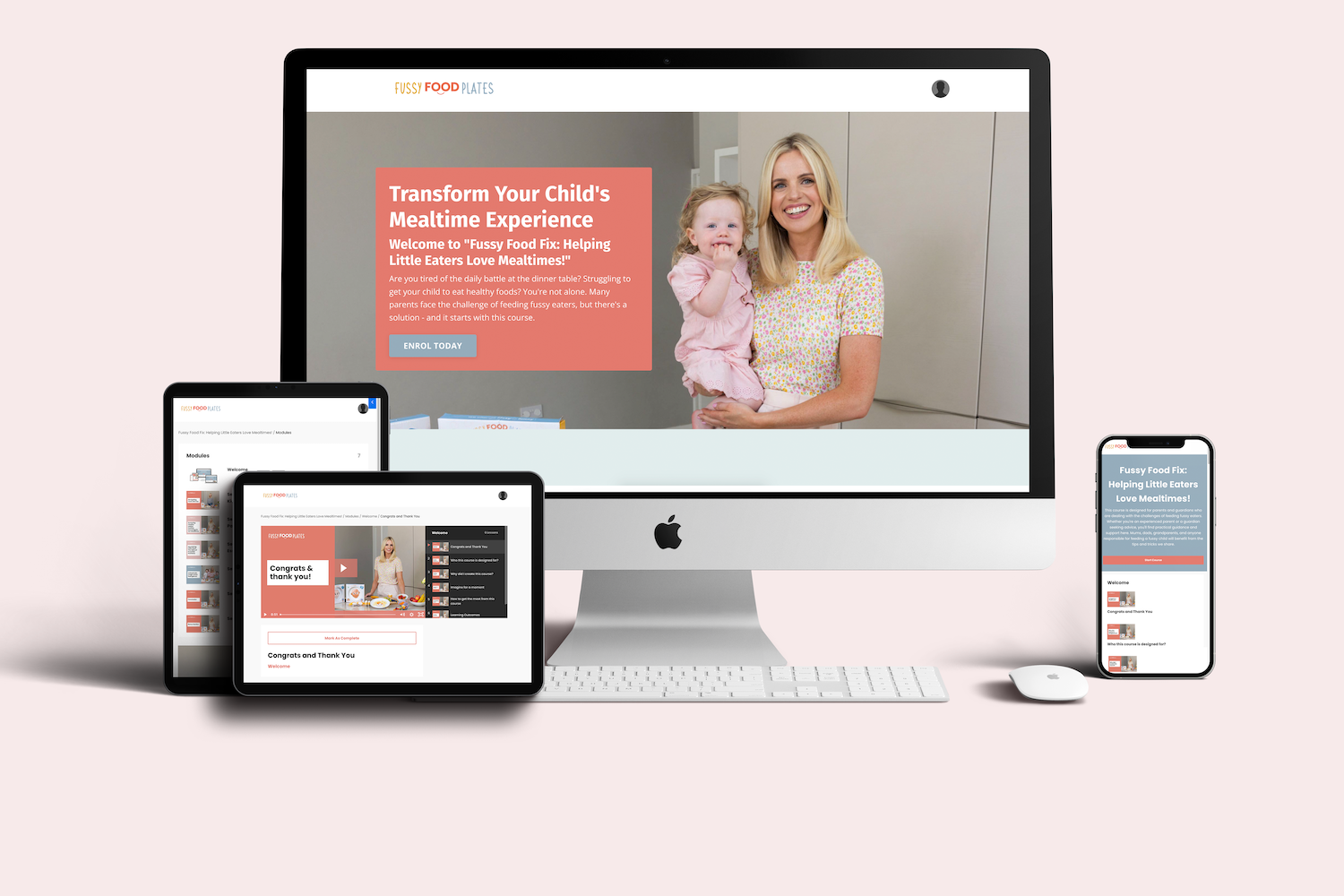


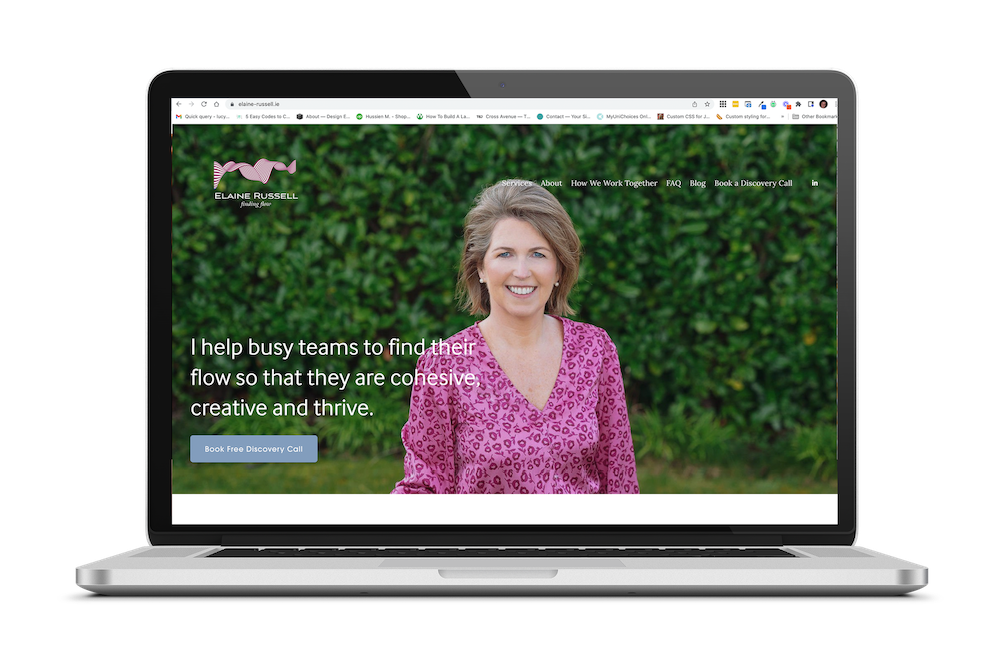
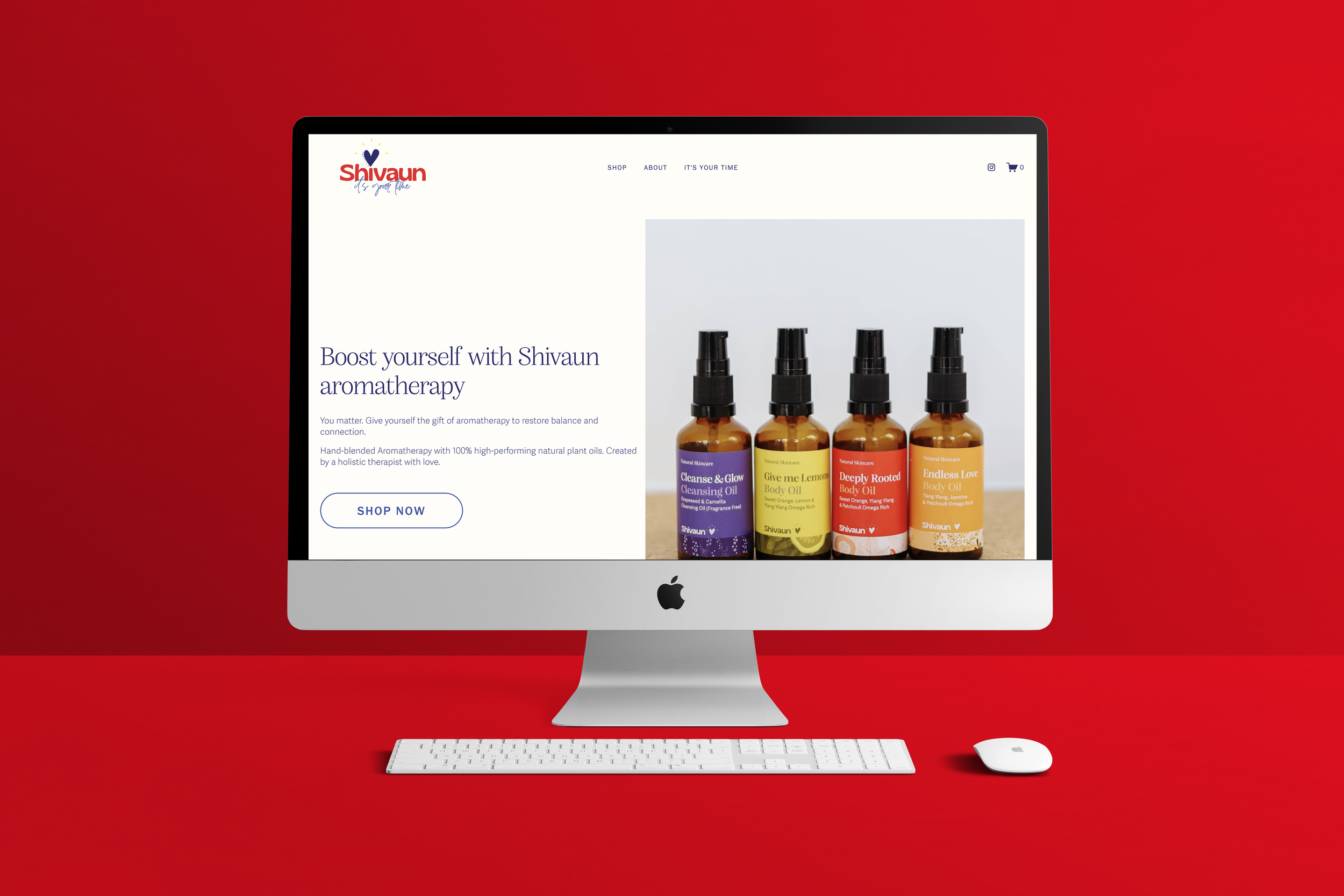

What to have ready before the build begins
Once the strategy is in place, a website build moves significantly faster and produces significantly better results when the following are ready before the first design conversation.
A clear positioning statement
One sentence that says what you do, who you do it for, and why it matters. Not a tagline. Not a mission statement. A positioning statement precise enough to put in a homepage headline and have the right client immediately recognise themselves in it. If you can't write this sentence yet, the strategy work isn't done.
A defined ideal client
Not a demographic. A specific person with a specific problem at a specific moment in their life or career. The more precisely this is defined, the more precisely the website can be written and designed for them. A website written for everyone converts no one.
Website copy, or a clear copy brief
Copy should be written before design begins, not after. A designer who is given copy after the design is done is retrofitting words into a layout rather than designing a layout that makes the words work. The hierarchy of the page, the emphasis, the calls to action — all of these should be driven by the copy, which should be driven by the strategy.
If you are not writing the copy yourself, commission a copywriter who works from a brand strategy brief. If your designer also writes copy — as I do as part of the Brand Authority Method™ — make sure the copy stage comes before the design stage, not alongside it.
Professional photography
This is the element most founders underestimate and most consistently regret leaving until after the build. A professionally built website with stock photography is a professionally built website that looks like a stock photography website. Your imagery is the fastest signal of whether the brand is operating at the level it claims to be.
Commission brand photography before the build begins. Brief the photographer from the brand strategy — the visual language, the tone, the client you are photographing for. The images should be an expression of the brand, not a set of photos that happen to feature the founder.
If brand photography is not possible before launch, be honest about it in the brief. A designer working without photography can make strategic choices about how to handle that gap. A designer who discovers there is no photography halfway through the build cannot.
A named methodology or framework, if you have one
If you have a proprietary approach, a named process, or a framework you use with clients — and most established founders do, even if it hasn't been named yet — this needs to be articulated and named before the website is built. A named methodology is one of the highest-leverage elements of a website for an established founder. It turns expertise that lives inside the practice into something the market can find, remember and refer. It cannot be retrofitted into a website that has already been designed without one.
Testimonials that name outcomes, not feelings
Testimonials that say "Lucy was wonderful to work with and I'm so happy with the result" are not doing commercial work. Testimonials that say "The rebrand changed the quality of enquiries we were getting within three months" are. Before the build begins, go back to past clients and ask for testimonials that name a specific outcome — a commercial result, a door that opened, a problem that was solved. Those are the testimonials worth building a website around.
A clear sense of what the website needs to do
Every page on a professionally built website has one job. The homepage earns the enquiry. The about page builds the credibility that makes the enquiry feel safe. The services page converts the interested visitor into a serious prospect. Before the build begins, be clear about what each page needs to do — not what it needs to say, but what action it needs to prompt from the right visitor.
What happens when the preparation is skipped
The build takes longer. Decisions that should have been made before the project began get made during it, which means the designer is waiting, the scope is shifting, and the momentum that a well-briefed project builds is lost.
The result is weaker. A website built without a clear brief is a website built on the designer's best guess about what the business needs. That guess may be good. It will not be as good as a brief built from a clear strategy.
The site needs to be redone sooner. A website built on a clear strategic foundation can hold for years because the strategy beneath it is still true even as the business evolves. A website built on an unclear brief becomes outdated the moment the business moves, which for an established founder is often faster than expected.
Where to start
If you are planning a new website and want to make sure the strategy is in place before the build begins, the starting point is a Brand Clarity Session — a focused 90-minute strategic conversation that identifies exactly what your website needs to do and whether your current brand is ready to support it. €1,500 + VAT, credited in full against the Brand Authority Method™ if you proceed within 60 days.
If you are ready to find out what the full end-to-end engagement looks like — strategy, identity, copy and website build from the same strategic foundation — you will find more detail on the Brand Authority Method™ page.
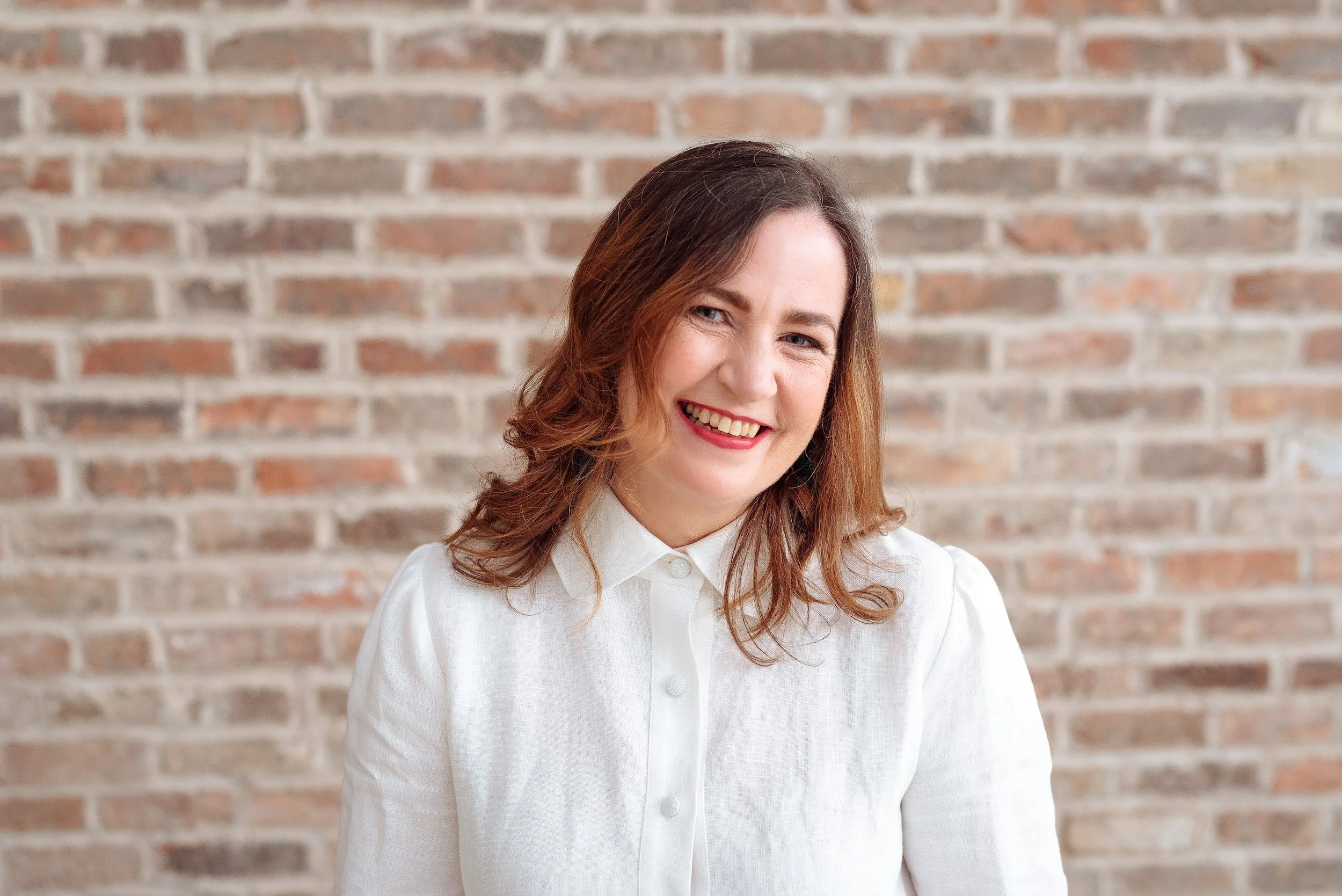
I'm Lucy O'Reilly, an award-winning brand strategist and designer based in Dublin, Ireland.
I've worked with over 100 founders and business owners across nearly a decade in practice, and I'm the creator of the Brand Authority Method™ — a six-step end-to-end engagement covering brand strategy, visual identity, brand photography, website copy, and website design and build.
I work with established founders who are ready to scale, and whose businesses have outgrown their brand.