What should I look for when selecting a website design service for my coaching business?
Your website is often the first real conversation your coaching business has with a potential client. Before they've spoken to you, before they've read your emails, before they've seen you speak — they've visited your website. And in those first few seconds, they're making a decision about whether you feel like the right person to help them.
That's a lot riding on a webpage. Which is why choosing the right website design service is one of the most important decisions you'll make as a coach. Not just in terms of how your site looks, but how it works, what it says, and how well it connects with the people you're trying to reach.
Here's what to look for when making that choice:
1. Look for Someone Who Understands the Coaching Industry
Website design is not a generic service, even if many designers treat it that way. A coaching website has a very specific job to do. It needs to build trust quickly, communicate your niche and approach clearly, and move a visitor from curious to convinced — often without you being in the room.
The designers who do this best are those who understand the nuances of the coaching world. They know that clients aren't just buying a service; they're choosing a person. They understand that your story, your values, and your way of working matter enormously to your audience. And they know how to structure a website that reflects all of that in a way that feels authentic rather than salesy.
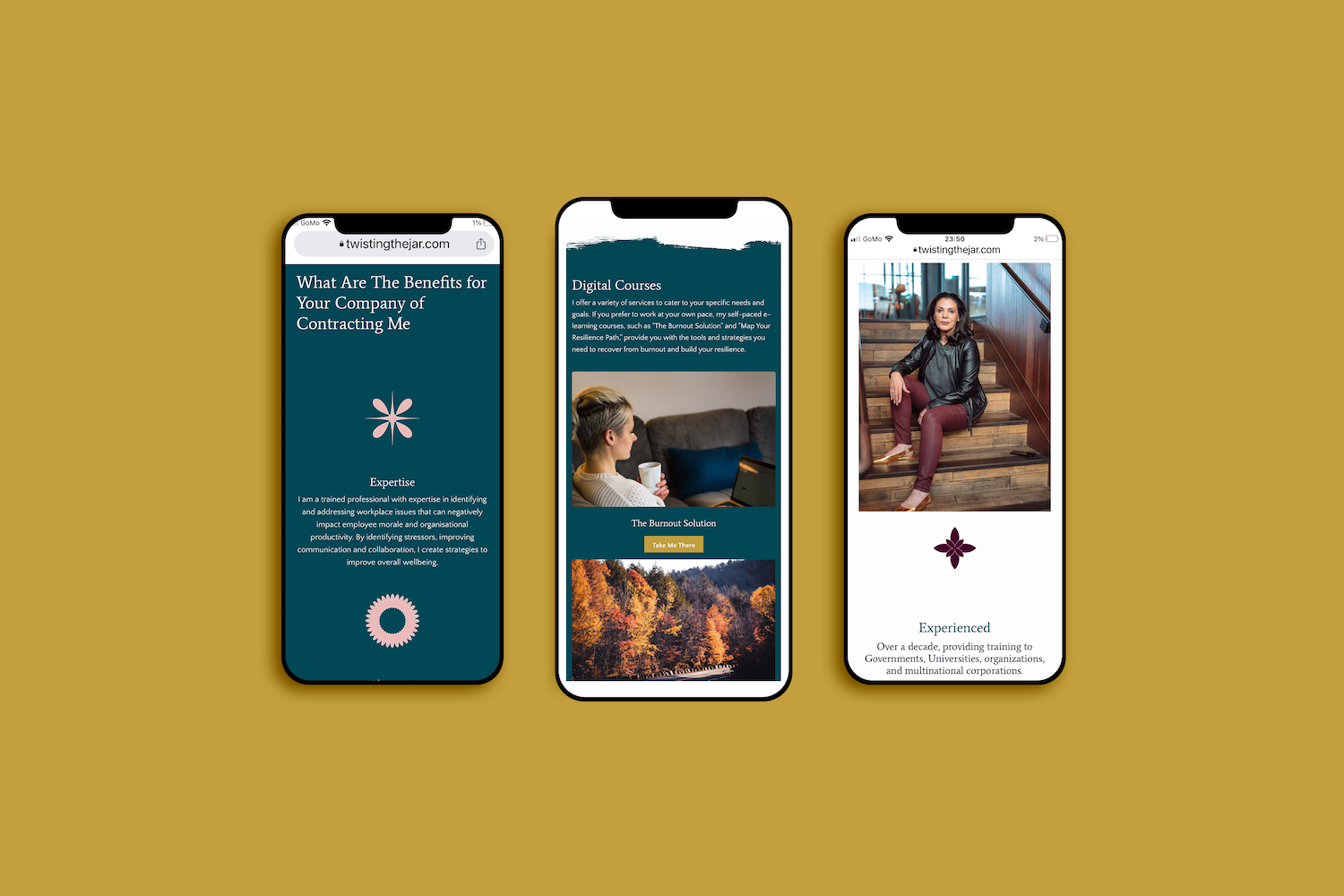
When you're evaluating a design service, ask whether they've worked with coaches before. Ask to see examples. And pay attention to whether those example sites feel personal and trust-building, or polished but cold.
2. Prioritise Strategy Over Aesthetics
It can be tempting to choose a designer purely based on how beautiful their portfolio looks. And yes, visual quality matters — your site should look professional and feel aligned with your brand. But a gorgeous website that doesn't convert visitors into enquiries isn't doing its job.
The best website design services lead with strategy, not just style. They'll want to understand your ideal client before they open a single design file. They'll think carefully about the journey a visitor takes through your site — what they need to see first, what questions they'll have, what will make them trust you enough to reach out.
Ask any designer you're considering: how do you approach the structure and strategy of a coaching website? If they immediately start talking about colours and fonts, that's a sign they're thinking about the surface rather than the substance. If they start asking about your clients, your offers, and your goals, you're in good hands.
3. Check That They Offer Copywriting Support — or Work With Someone Who Does
This is one of the most overlooked aspects of website design for coaches, and it can make or break your finished site. You can have the most beautifully designed pages in the world, but if the words aren't right, visitors won't stay, and they certainly won't enquire.
Writing website copy is a skill that's distinct from both coaching and design. It requires an understanding of your audience, your offer, and the psychology of how people make decisions. Many coaches find it genuinely difficult to write about themselves — it can feel uncomfortable, or the words just don't come out the way you'd like.
A great website design service will either offer copywriting as part of their process, work closely with a trusted copywriter, or at the very least guide you through exactly what to write and how to structure it. If a designer simply hands you a template and tells you to fill in the blanks, the end result will likely feel flat. Find someone who treats the words as seriously as the design.
4. Make Sure They Build for Your Ideal Client, Not Just for You
It's natural to want a website that you love. But the most important audience for your coaching website isn't you — it's your ideal client. And sometimes what resonates with you isn't quite what resonates with them.
A good design service will help you hold this distinction. They'll ask questions like: who is your ideal client, and what are they struggling with? What do they need to feel before they'll reach out to a coach? What objections might they have, and how does your site address those?
The answers to these questions should shape everything — from the language used in your headlines, to the photos you choose, to the way your services are explained. When a website is genuinely built around the needs of the ideal client rather than the preferences of the owner, the difference in enquiry rates can be remarkable.
5. Ask About the Full Scope of the Service
Website projects have a habit of expanding in unexpected ways, and costs can creep up if you're not clear on what's included from the outset. Before you commit to any design service, get a detailed breakdown of exactly what you're paying for.
Does the price include domain setup and hosting? Will they handle the technical side of connecting your booking system or email list? What about mobile optimisation — will your site look just as good on a phone as it does on a desktop? Are there rounds of revisions included, and how many? What happens if you want changes after the site goes live?
These aren't awkward questions to ask — they're essential ones. A trustworthy design service will answer them clearly and without hesitation. If you feel like you're being evasive or pressured to sign before getting full clarity, trust that instinct.


6. Choosing the Right Platform for Your Coaching Website
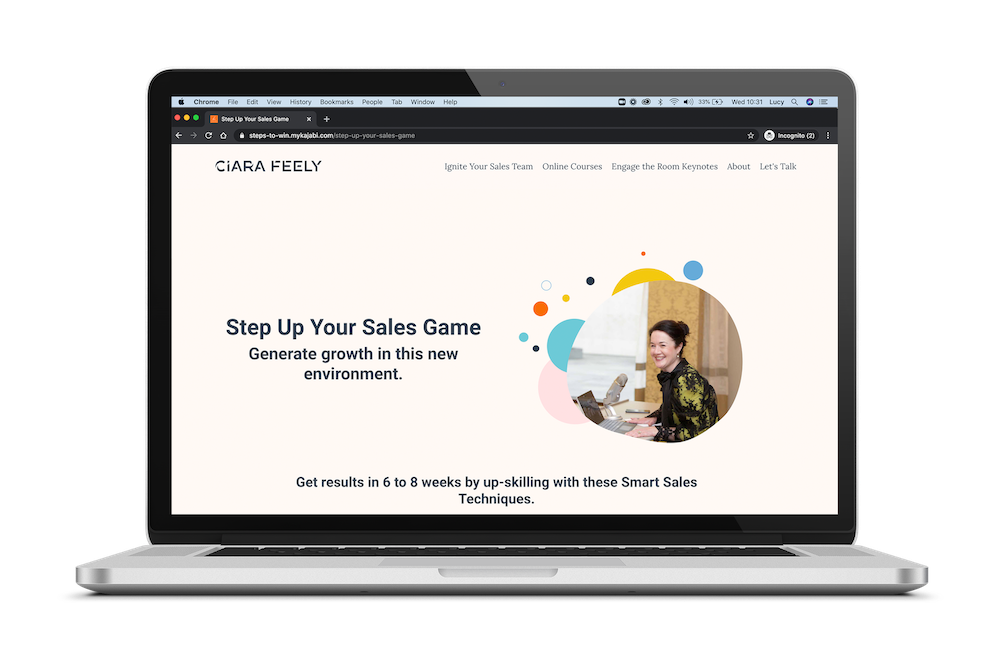
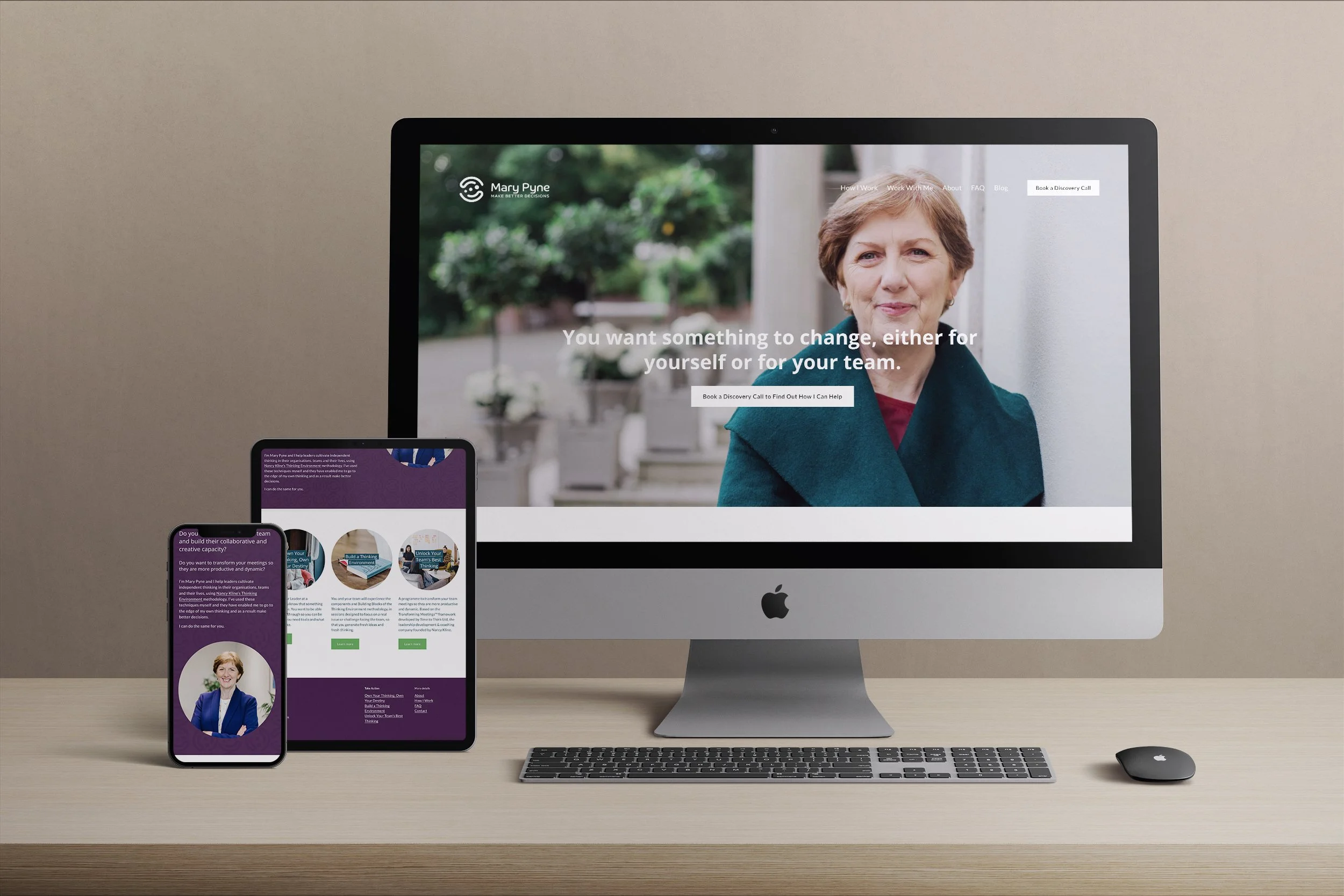
One of the decisions your design service will help you navigate is which platform to build on — and for coaching businesses, two options stand out as particularly strong choices. Squarespace is a brilliant option if you want a beautifully designed, professional website that's straightforward to manage yourself once it's live. It's clean, reliable, and produces stunning results without unnecessary complexity. Kajabi, on the other hand, is ideal if your coaching business involves online courses, membership programmes, or digital products alongside your one-to-one work. It combines website design with course hosting, email marketing, and payment processing all in one place — meaning less time juggling multiple tools and more time focused on your clients. The right choice between the two depends on where your business is now and where you're planning to take it, which is exactly the kind of conversation a good design service should be having with you before a single page is built.
7. Consider SEO From the Very Beginning
A beautiful website that nobody can find is a missed opportunity. Search engine optimisation — the practice of making your site visible in Google searches — should be considered from the very start of a website project, not bolted on as an afterthought.
When selecting a design service, ask how they approach SEO. Do they carry out keyword research to understand what your ideal clients are actually searching for? Do they structure pages and write content with search visibility in mind? Do they handle the technical elements of SEO — page speed, metadata, image optimisation — as part of the build?
You don't need to become an SEO expert yourself, but you do want a designer who takes it seriously. A well-optimised coaching website can generate a steady stream of organic enquiries over time, which is one of the most cost-effective forms of marketing available to a small business.
8. Look for Ongoing Support, Not Just a One-Off Build
Your coaching business will evolve. You'll launch new programmes, change your niche, refresh your messaging, or simply want to update a photo or testimonial. A website is never truly finished — it's a living part of your business that needs occasional attention
When choosing a design service, ask what happens after your site goes live. Do they offer a maintenance package? Can you contact them if something goes wrong? Will they train you to make simple updates yourself, or will you be dependent on them for every small change?
The best design partners think of themselves as long-term collaborators, not just project-based contractors. They want your business to grow, because your success is the best possible advertisement for their work. That kind of ongoing relationship can be genuinely valuable as your coaching practice develops.
9. Read Reviews and Ask for References
No matter how impressive a designer's portfolio looks, there's no substitute for hearing from real clients about their experience. Look for reviews that speak not just to the quality of the finished website, but to the process — was the designer communicative and reliable? Did they listen? Did the project stay on time and on budget?
If reviews aren't readily available, don't be afraid to ask for references. A confident, reputable design service will be happy to connect you with past clients who can speak to their experience. If that request is met with hesitation, it's worth asking why.
10. Trust the Relationship as Much as the Portfolio
You'll be working closely with your website designer over a period of weeks or months. You'll need to share ideas, give feedback, and sometimes have honest conversations when something isn't working. That requires a working relationship built on trust and good communication.
Pay attention to how a designer makes you feel from your very first interaction. Do they seem genuinely interested in your business? Do they explain things clearly, without overwhelming you with technical jargon? Do they feel like a partner, or just a vendor?
Your instincts matter here. A designer who is talented but difficult to communicate with can turn a website project into a stressful experience. One who is collaborative, patient, and enthusiastic about your vision can make it one of the most exciting investments you've made in your business.
Ready to Build a Website That Truly Reflects Your Coaching Business?
Your website should do more than exist — it should work hard for you, bringing in the right clients and giving them every reason to reach out. The key is finding a design service that understands your world, leads with strategy, and is genuinely invested in your success.
If you're looking for a team that specialises in building websites for service-based businesses like yours, explore our website design services and find out how we can help you create a site that connects, converts, and grows with you.