How to prepare for a brand photoshoot

You’ve taken the leap and decided to invest in brand photography.
You’ve chosen the photographer. You’ve picked the location & booked the shoot. And now the nerves are settling in, and you’re left wondering, what now?...
As business owners, we tend to know our craft inside and out, so it can be really daunting stepping into an experience where so much is brand new. You want the day to go smoothly, and the pressure to walk away with your dream photo portfolio is starting to build.
Chances are, if you’ve chosen the right brand photographer, they will guide you through the process and answer any questions you may have in the lead-up to shoot day. However, a considerable part of a successful brand photoshoot relies on your preparation and a detailed plan. Skip or rush through the planning stage, and you could end up with photographs that just don’t feel like you or connect with your audience.
So, how do you go from confusion to a well-planned roadmap to success?
From defining your story and settling on the look and feel of your images to the shot list and logistics, I’m here to share my top tips for preparing for a successful brand photoshoot.
The story
The purpose of photography is to tell a story; you get to choose which one.
Your brand story conveys your history, purpose, and values in a narrative that resonates with your customer and creates feeling, impact & connection.
The story you choose will form the backdrop for your photoshoot.
But how do you decide what story to tell?
You’ve likely worked on these questions as part of your brand strategy & positioning process already, but here’s a reminder of some questions to consider when crafting your brand story:
Who are your customers? Your imagery should speak to your ideal customer and ooze your brand personality. Before you book your photoshoot, ensure you have worked on your brand positioning. This will ensure you know you exactly who you are trying to connect with and what images might resonate best with them.
What is your brand USP? What sets your brand apart from competitors? Is it your unique process or approach? Your unmatched customer experience? Whatever it is, this should shine through clearly in your brand photographs.
How do you want your customer to feel? What will impress them, and what will make them feel at home? With a story as the basis for your shoot, your clients are more likely to feel something, creating a more impactful, stronger connection.
Remember, the most important thing is to stay true to your brand.
Don’t choose stories you don’t want to tell. Or feel pressured to align with what others are doing in your industry. This is your chance to tell your stories and stand out in the crowd.
Nailing down a handful of stories which will be the building blocks upon which to build your brand shoots.
Need some inspiration? Your story could be about:
a particular place, e.g. if you are a maker, this could be your workspace, perhaps the spot you had your first “ah-ha” moment or a maybe place that inspires your work or has an impact on your life. I’d love to do a photoshoot that combines Paris and Dublin, my two favourite cities. I believe this would connect with my customers, many of whom have lived abroad and who would appreciate the aesthetic of both cities. These photos would not be necessarily what you see on my website, but I could use them on social media and elsewhere to tell one of the stories of my brand.
a client experience, e.g. inspiring customer stories or transformations that helped shape your business. This can be harder to capture in photography but perhaps you can show ‘before’ and ‘after’ photos to tell this story.
your brand values, e.g. those core convictions that drive your business & resonate with your audience. We often hear and see the stories of bigger brands and the charities they are connected to or the stories of how they give back to their community. These photos, ads, videos are intended to tell the story of that brand’s values…to touch our hearts and endear us to their brand.
your background/personal story, e.g. how you overcame an obstacle, the story of how you set up your business, personal challenges or wins that you got you to where you are today. We all love a story of someone overcoming an obstacle to achieve their dream. Perhaps you have a story of overcoming or, even better, a story of how you helped someone else to overcome a problem or difficult situation.
your inspirations or process, e.g. a unique approach or formula that’s different to competitors or perhaps a role model or icon that inspired your business idea. Or perhaps if you are a creative like me, your photoshoot could be about galleries, art, film, fashion or perhaps someone in your family who inspires your work. I grew up watching my mother sew, paint, cook, design her own clothes etc and she has left a lasting impression on my design aesthetic and outlook.
The shot list
To build a cohesive and inspiring brand image library, you need to be discerning about what you shoot. And that starts with the all-important shot list.
The shot list is a crucial part of preparing for a brand photoshoot. Creating this list in advance saves precious time and ensures you & your brand photographer are aligned.
Before you assemble your shot list, consider the following factors:
What is the purpose of the brand shoot? You may have a specific goal, like announcing a new online course or showcasing a new line of products. Or maybe you’re just starting your business and need more general shots to aid brand awareness.
Where will the photos be used? Are they for your website? Will you use them on social media? What about blog posts, media kit, business cards or email signature? You have the opportunity & freedom to get super creative with your brand photographs. However, remember that each platform may require different photograph types and orientations, so discussing this with your photographer before shoot day is important. I can’t reiterate this enough, actually. Website banners are notoriously difficult to get the right photos for. If you are located right bank in the middle of the photograph, it is difficult to place text on the image, as we invariably end up having text over your face, which is a no-no. We can crop the left or the right of you so that you end up being to one side of the photo and the text on the other, but this often means that you appear ‘zoomed-in’ on the banner image, as there is less of the original image left to fill the screen. It is important that the photographer is not too close to you when taking the shot, so any ‘zooming in’ on the website still looks good.
What mood do you want to convey? Different moods convey different meanings - light, bright images will be engaging and uplifting. Dark, moodier shots will be soulful and more ethereal. Your brand designer should be able to give you insight into which mood makes sense for your brand.
What scenes do you want to capture on the day? As a brand strategist and website designer, I recommend a variety of different images that give you flexibility. You don’t want to have twenty photos of you smiling at the camera, you won’t be able to do much with them, and it will feel very repetitive on your website. As a potential client, I want to see what you do. Are you a writer? Let’s see you work your magic behind the keyboard. Are you a graphic designer? Let’s see you your sketches, your moodboards, your inspiration for your colour palettes.
The people
Whether you’re selling a product or service, there’s only so much legwork your website and social media can do without high-quality photographs to back them up. Your audience wants to see you.
Why? Well, the thing is – people invest in people.
As humans, we love to put a face to a name.
YOU are what sets your business apart from others in the industry.
With brand photography, you can capitalise on the things that make you unique, relatable, and unforgettable and use that to attract and connect with your audience.
But what if you don’t want to be front and centre?
Do you include your team? Will you use models to inspire your ideal audience? What about having real-life clients in your shots? Your brand photographer can advise you on the best route to take.
Top Tip: Remember to ask anyone who models for you to sign a release permitting you to use the photos on your website & social media.
The logistics
Based on your shot list, it’s time to iron out the logistics, lock down a timeline & prepare your brand shoot kit & props.
The schedule
Come up with a timeline for the shoot to keep everyone moving on schedule and ensure everything you need gets covered. Remember to leave time between shots for outfit changes or breaks and reserve time for experimentation. I recommend working with your photographer on this to ensure what you’re planning is realistic and that everyone is on the same page.
The kit
Your brand shoot kit can make the difference between a cool, calm & collected photoshoot or utter chaos. To build your kit, start with a checklist of everything you need for a successful shoot. Whether that’s your outfits, accessories, props - jot everything down to ensure you don’t forget anything on the day and, most importantly, that you bring everything back home with you! The following is a list of helpful-to-have items to get you started:
Your pre-selected outfits, not forgetting the shoes & accessories
Hairbrush, a selection of hairbands & grips & some hairspray
A translucent or matt powder to banish pesky shine
Lipbalm & lipstick - for touch-ups & keeping your lips chap-free
A small compact mirror - for quick touch-ups between shots
Toothbrush & gum/mints – to freshen up (especially if your shoot is after lunch)
Water & snacks
Fashion tape/ small sewing kit - for any unexpected mishaps
Babywipes & tissues - for spills or stains
The props
It can feel awkward to take photos empty-handed, and many of us might stand there feeling a little lost or unsure of what to do with our hands. Including props in your brand photoshoot is an excellent way to calm nerves, keep restless hands busy and add interesting detail & dimension to your images.
Depending on what line of work you are in, appropriate props will vary.
If you work on a computer all day, you might want shots posing with a laptop, tablet or phone. If you work in the beauty industry, you might want to bring your favourite beauty tools, or if you’re a product-based business, you’ll need samples of your product line.
At the end of the day, remember that you are telling a story, your story, and so the props you choose should represent you and your business.
The details
Ever heard the phrase, “the devil is in the details”?
Well, it certainly rings true when it comes to your brand photoshoot.
Details like colours, clothing and your overall appearance, like hair & make-up, can bring a photograph to life and make or break its impact. Choosing each element wisely can significantly impact the consistency of your brand photographs.
Colours
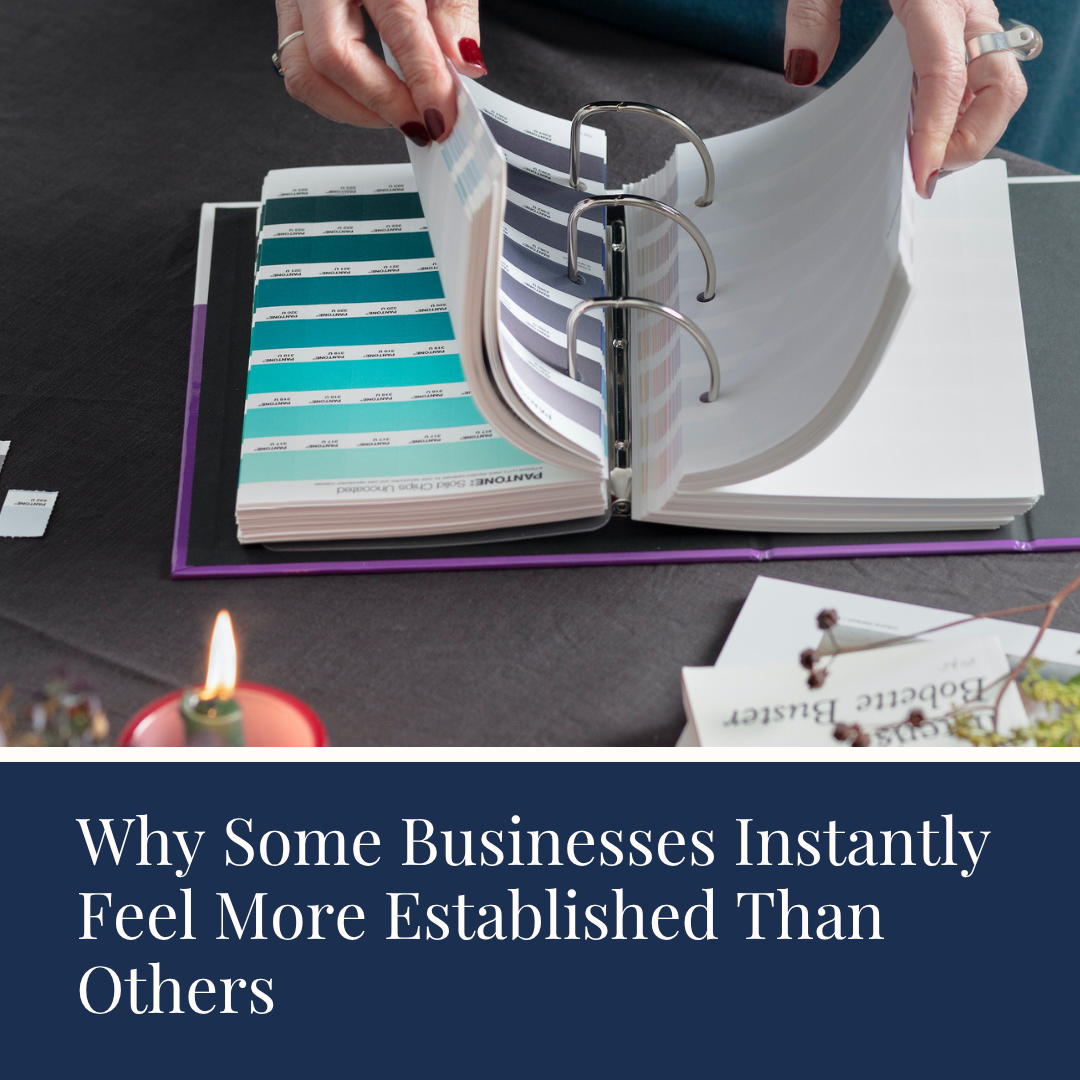
One of the easiest ways to create brand cohesiveness across all touchpoints of your business is with your brand colour palette. You use this in your print marketing, social media, business cards and website. Why not use them in your brand photos too?
I regularly speak about the power of colour in creating a stand-out brand identity, but how can you incorporate your brand colours into a shoot? Here are three ideas to spark inspiration:
Clothing & accessories: Your outfit is the obvious choice when weaving your brand colour palette into your photographs. But this doesn’t mean that if your brand colour is green, you must dress head to toe in green throughout the shoot. Add in little pops of green: a green belt, bag or scarf. A hint of green in your statement earrings. A gorgeous pair of green sunglasses. There’s no need to go overboard; subtle hints of your colour peeking through can create just as much impact. If you go “all in” with colour in your clothing and accessories, I recommend keeping your backdrop neutral to allow your outfit to pop.
Location: If you prefer to keep your outfits neutral, you can use your backdrop and surroundings to celebrate your colour palette. Before you book your shoot, scout your local area for locations that speak to you and your brand. Perhaps you’ve spotted a beautiful mural or graffitied wall on your morning walk? Maybe your brand would look best against a natural backdrop? Take pictures of location ideas you love and create a mood board to share with your brand photographer before the shoot.
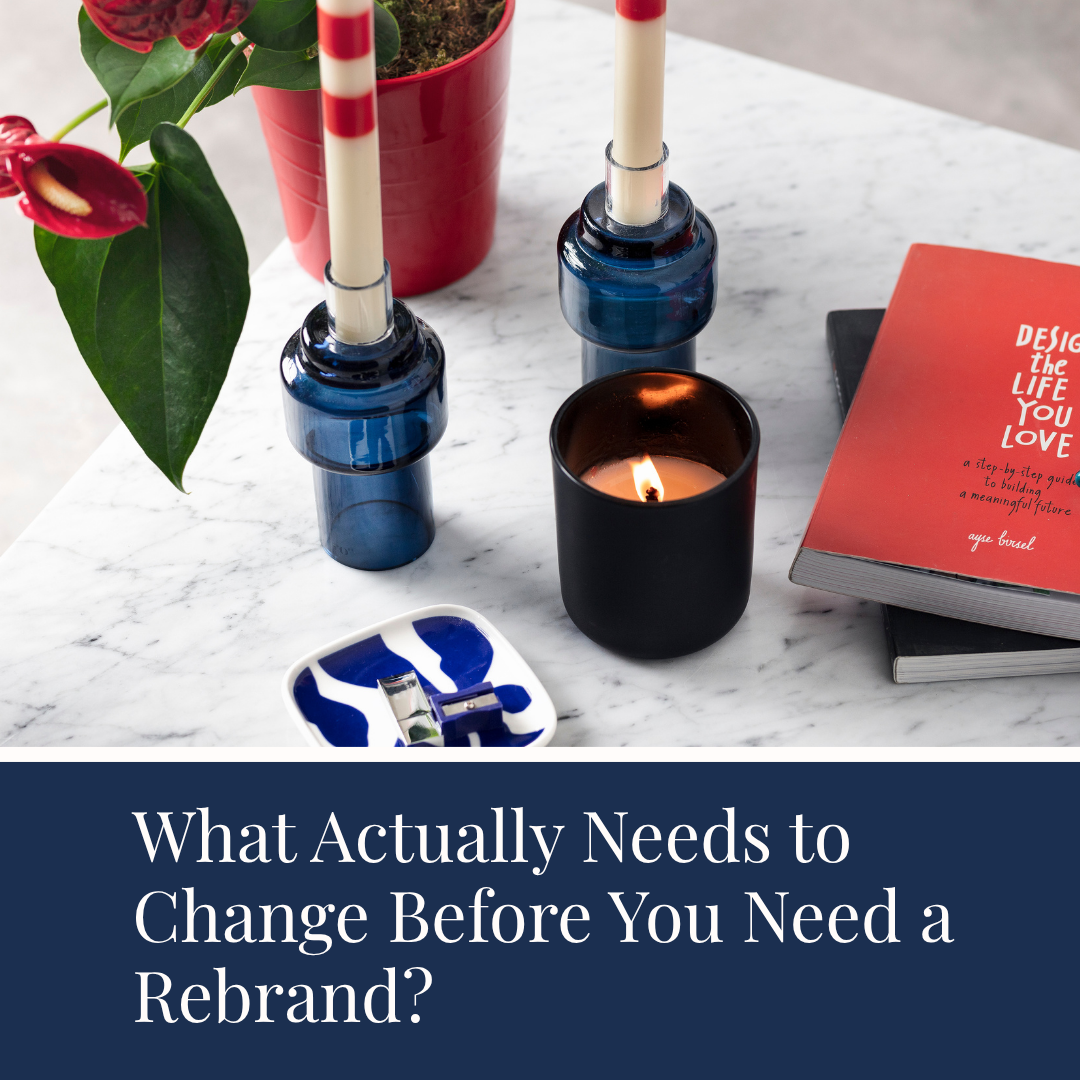
Props: Props are a creative and cost-efficient way to introduce pops of colour and intrigue to your photoshoot. Your choice of props will vary depending on your brand, but some tried & tested examples include branded mugs, stationary or journals. Remember, however, not every mug and notebook give off the same impression. It all comes down to branding and the essence of your brand, the feeling you want your customers to get when they see your photos. A dark leather-bound notebook with calligraphic gold writing on the front is not going to convey the same brand values as bright pink notebook with polka-dots and unicorns on it!
Clothing
Choosing outfits for your brand photoshoot is no easy task. You want to keep your brand aesthetic in mind while choosing clothing that showcases your personality and allows you to feel confident and comfortable on the day. The following are a few of my top tips when approaching your brand photoshoot wardrobe:
We all have that favourite outfit that makes us feel invincible. Comfort is key. Choose clothing that makes you feel comfortable and confident. When you feel self-conscious or uncomfortable, this can come through in the photos.
To avoid a last-minute wardrobe crisis, try on all items a few weeks before your shoot to double-check the fit and to see if anything needs tailoring or altering.
While it might be tempting to be fashion-forward, I recommend opting for more timeless, classic pieces you won’t regret in a few years when the trend fades.
Always take a couple of backup options – this is useful when you realise an outfit doesn’t match as well as you thought in person.
If you book a studio, you’ll likely pay by the hour, so to maximise your time, it’s helpful to have all outfits planned & know exactly what outfits correlate to which image in your shot list (working in order from first to last)
Hair & make-up
The makeup & hairstyle you choose can directly impact your confidence and, ultimately, how well your photographs turn out. My biggest piece of advice is to consult a professional.
Where possible, hire a make-up artist, get your hair done, and consider consulting a stylist. Working with a professional will remove additional stress and portray you in your best possible light on the day. If you need names of professionals in these fields, get in touch and I can connect you.
Final thoughts
As a business owner, I know first-hand how daunting and overwhelming a brand photoshoot can be. Especially if you are a little camera-shy like me. In fact, in the lead-up to my first brand photoshoot, I wasn’t happy with my appearance; I didn’t know what to wear. I was dreading it.
One of the things that helped settle my nerves was having a plan.
Knowing what I would wear, the shots I wanted to take, and what I needed to bring with me on the day allowed me to approach the day confidently & be fully present to enjoy the process.
If you are planning a photoshoot in 2024, these are my top three tips for shoot day:
Relax. Your shoot should be fun. Good photographers will put you at ease and you won’t even realise you’re having your photo taken! Well, not as much!
Ask your photographer to see some images as you go along. You’ll feel reassured & a lot of that dreaded uncertainty will start to disappear.
Remember to stay hydrated, bring snacks & take breaks as needed– smiling continually and “turning it on” for the camera is surprisingly exhausting… don’t forget to refuel & take care of yourself.