
What established founders need to know before launching a course or membership on Kajabi
This post is for founders who already know they want to launch a course or membership — and are trying to work out whether to build it themselves or bring in a professional.
It is not a beginner's guide to online courses. If you have built a business, developed real expertise, and are ready to package that expertise into a scalable offer, this is the read.
I've been building on Kajabi for several years. Every Kajabi site I build is part of a full brand strategy and identity engagement - strategy first, always, design and build second. The founders I work with are not experimenting with online courses. They are established experts who are ready to scale what they know into something that works without them being in every room to deliver it.
This post covers what that process actually involves, what Kajabi can and can't do, and what founders consistently get wrong before they get it right.
Why Kajabi
There are dozens of platforms that host online courses and memberships. Kajabi is the one I recommend to established founders, and the one I build on, for specific reasons.
It is a complete ecosystem rather than a single tool. Course hosting, membership areas, email marketing, landing pages, checkout, analytics and community, all under one roof, with one login, on one platform. For a founder who is running a business and launching a course simultaneously, that consolidation matters. The alternative - stitching together five separate tools and hoping they talk to each other - is a technical overhead that consumes time and attention the founder doesn't have.
The design quality is high. Kajabi sites, in the hands of a professional designer working from a clear brand brief, produce results that look and feel like a premium product. That matters because the quality of the platform signals the quality of the course. A founder charging premium fees for specialist expertise cannot afford a course experience that looks like it was built on a free tool over a weekend.
The checkout and payment infrastructure is robust. Kajabi handles one-off payments, payment plans, subscriptions and free trials natively. For founders building a membership or a recurring revenue model, that flexibility is essential.
What founders get wrong before they get it right
I've worked with enough Kajabi launches to see the patterns clearly. These are the mistakes that consistently cost founders time, money and momentum.
Starting with the platform before the strategy
The most common and most costly mistake. A founder decides to launch a course, signs up for Kajabi, starts building, and realises halfway through that the positioning isn't clear, the audience isn't defined precisely enough, and the course structure doesn't reflect what the right client actually needs.
Kajabi is a tool for delivering a course. It cannot tell you what the course should be, who it is for, what it should cost, or how it should be positioned in the market. Those decisions have to be made before the build begins — or the build will have to be undone and redone once they are.
Treating the course as a separate brand
A course or membership launched without a clear connection to the founder's existing brand creates a positioning problem. The course looks like a side project rather than a natural extension of the founder's expertise. The audience doesn't know where it fits. The founder ends up maintaining two separate identities rather than building one coherent brand with multiple offers.
The founders I work with launch their Kajabi products as expressions of an existing brand position — not as standalone entities that need their own separate marketing. That coherence is what makes the launch feel authoritative rather than experimental.
Underinvesting in the brand before the build
A Kajabi site built on a weak brand foundation produces a weak result, however technically proficient the build is. The copy is vague because the positioning is vague. The design is generic because there is no brand to express. The landing page doesn't convert because it isn't speaking to a specific enough person about a specific enough problem.
Brand strategy, visual identity and Kajabi build need to be sequenced correctly and treated as one integrated engagement — not three separate projects commissioned in the wrong order.
What a professional Kajabi build actually involves
When I build a Kajabi site for an established founder, the engagement covers three things in deliberate order.
Brand strategy first. Five structured sessions covering purpose, personality, people, positioning and planning. The output is a positioning statement, a named audience, a brand voice, and a clear articulation of what the course or membership is, who it is for, and why it is the right choice for that person at that moment.
Visual identity second. A logo, colour palette, typography and graphic language that can hold the brand at the level the founder is operating at — and that translates directly into the Kajabi environment without losing quality or coherence.
Kajabi build third. The site itself — course structure, membership area, landing pages, checkout, email sequences, community setup if required — built from the brand brief and designed to convert the right clients at the right price point.
This is the sequence that produces a launch the founder can be proud of and a product the right clients take seriously.
Recent Kajabi work
I have built Kajabi sites for a number of established founders as part of full brand strategy and identity engagements.
Alana Kirk: author, speaker and midlife expert. Brand strategy, visual identity and full Kajabi build.
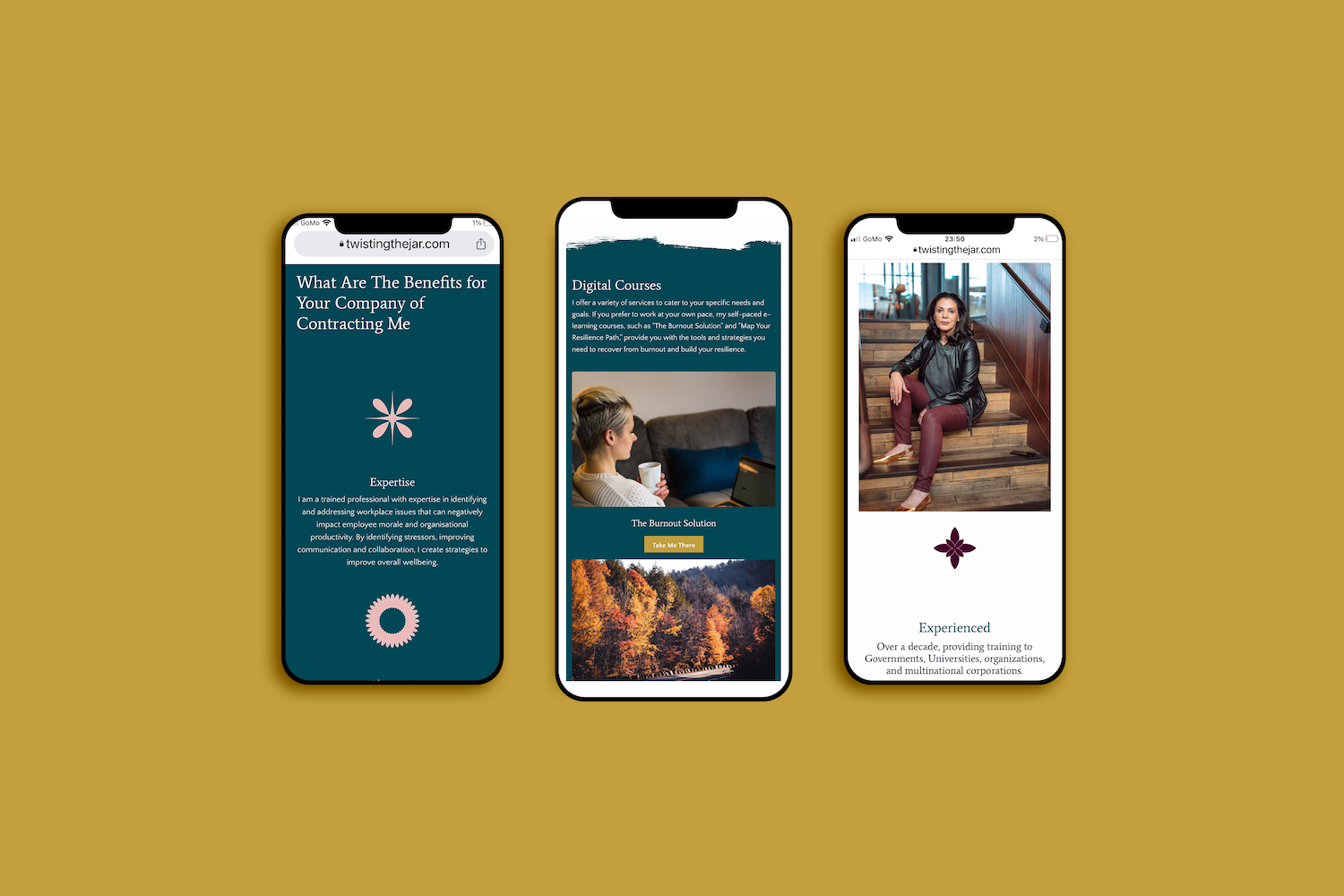
Twisting the Jar: full brand strategy, visual identity and Kajabi membership site.
Melissa Hayward Academy: brand strategy, visual identity and Kajabi academy build
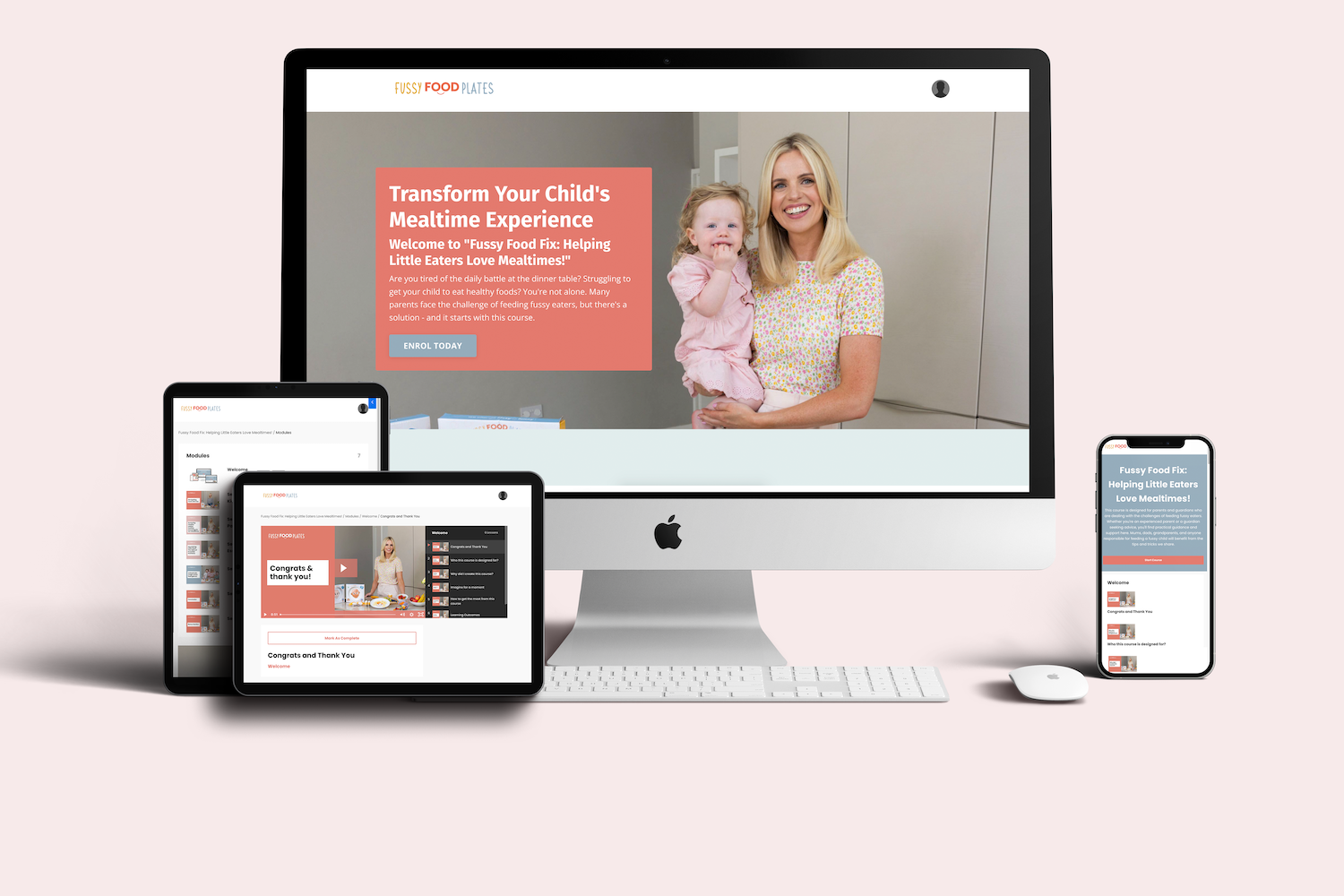
Fussy Food Plates: Kajabi online course set-up


Where to start
If you are an established founder with expertise ready to be packaged into a course or membership, and you want to make sure the strategy is right before the build begins, the Brand Clarity Session is the right first conversation. A focused 90-minute strategic conversation that identifies exactly what your course or membership needs to do and whether your current brand is strong enough to support it. €1,500 + VAT, credited in full against the Brand Authority Method™ if you proceed within 60 days.
If you are ready to find out what the full end-to-end engagement looks like - strategy, identity and Kajabi build from the same strategic foundation - you will find more detail on the Brand Authority Method™ page.

I'm Lucy O'Reilly, an award-winning brand strategist and designer based in Dublin, Ireland.
I've worked with over 100 founders and business owners across nearly a decade in practice, and I'm the creator of the Brand Authority Method™ — a six-step end-to-end engagement covering brand strategy, visual identity, brand photography, website copy, and website design and build.
I work with established founders who are ready to scale, and whose businesses have outgrown their brand.